
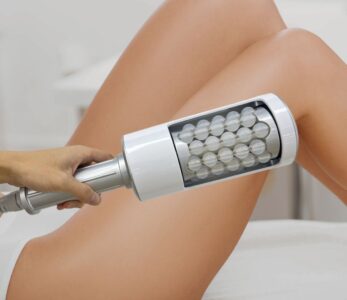
Mechanical Lymphatic Drainage: Complete Guide for Beauty Professionals
Mechanical lymphatic drainage has revolutionized professional body treatments, offering salon owners and spa operators a powerful tool for cellulite reduction, body contouring, and wellness services. This comprehensive guide covers everything you need to know about mechanical lymphatic drainage technology, from how it works to choosing the right equipment for your business.
What is Mechanical Lymphatic Drainage?
Mechanical lymphatic drainage is an advanced body treatment technique that uses specialized equipment to stimulate the lymphatic system, improve circulation, and reduce the appearance of cellulite. Unlike manual lymphatic drainage massage, which relies entirely on therapist technique, mechanical systems use motorized components to deliver consistent, repeatable results.
The lymphatic system is responsible for removing waste products, toxins, and excess fluid from tissues. When functioning optimally, it supports immune health, reduces inflammation, and maintains proper fluid balance. However, factors like sedentary lifestyle, poor diet, and aging can impair lymphatic function, leading to fluid retention, cellulite formation, and sluggish metabolism.
The Science Behind Lymphatic Drainage
Clinical research has demonstrated that mechanical lymphatic drainage effectively:
- Increases lymphatic flow by 200-300% during treatment
- Reduces water retention and bloating
- Improves skin texture and firmness
- Decreases the appearance of cellulite
- Enhances circulation and oxygenation
- Supports natural detoxification processes
A 2019 study published in the Journal of Cosmetic Dermatology found that mechanical lymphatic drainage treatments resulted in measurable improvements in thigh circumference and skin texture after just 8 sessions, with results continuing to improve over 12 weeks.
Evolution of Automated Massage Technology
Mechanical body treatments have evolved significantly over the past three decades:
1990s – Early Suction Systems: The first generation of mechanical body treatment devices relied primarily on vacuum suction to manipulate tissue. While effective for some applications, these systems had limitations in treatment depth and client comfort.
2000s – Roller Introduction: The integration of mechanical rollers with suction technology represented a major advancement. Rotating spheres or cylinders could provide more targeted tissue manipulation while maintaining consistent pressure.
2010s – Smart Systems: Digital controls, programmable protocols, and pressure sensors improved treatment customization and safety. Operators could save client-specific programs and achieve more precise results.
2020s – Connected Devices: Today’s most advanced systems feature touchscreen interfaces, treatment tracking, client management integration, and even AI-powered protocol recommendations.
How Different Mechanical Systems Work
Modern mechanical lymphatic drainage equipment typically employs one or more of these core technologies:
1. Roller-Based Systems
These devices use rotating spheres, cylinders, or specialized roller heads that move across the skin surface. The mechanical action:
- Mobilizes adipose (fat) tissue
- Breaks up fibrotic bands that create cellulite dimpling
- Stimulates lymphatic vessels
- Improves local circulation
Roller systems typically operate at speeds ranging from 100 to 900 rotations per minute, with adjustable pressure settings to accommodate different body areas and client sensitivity.
2. Suction-Assisted Systems
Vacuum technology creates negative pressure that:
- Lifts and folds tissue for deeper penetration
- Increases local blood flow
- Facilitates lymphatic drainage
- Enhances the effectiveness of roller action
Advanced systems use pulsating suction patterns rather than continuous vacuum, which clients find more comfortable and which may produce better results.
3. Hybrid Approaches
Many modern devices combine multiple technologies:
- Rollers + Suction for comprehensive tissue manipulation
- Rollers + Infrared heat to improve tissue penetration
- Rollers + Radiofrequency for simultaneous skin tightening
- Sequential compression for enhanced lymphatic flow
The most effective systems typically combine at least two complementary technologies to address multiple aspects of body contouring simultaneously.
Clinical Benefits and Applications
Cellulite Reduction
Cellulite affects approximately 85-98% of post-adolescent women. Mechanical lymphatic drainage addresses cellulite through multiple mechanisms:
- Breaking down fibrotic septae (connective tissue bands)
- Reducing localized fat deposits
- Improving skin thickness and elasticity
- Enhancing microcirculation
- Mobilizing retained fluids
Clinical studies show that 8-12 treatments produce visible improvement in cellulite appearance, with optimal results achieved through ongoing maintenance sessions.
Body Contouring and Circumference Reduction
While not a weight loss treatment, mechanical lymphatic drainage can reduce measurements through:
- Elimination of excess interstitial fluid
- Mobilization of localized fat deposits
- Improved skin retraction
- Enhanced metabolic activity
Clients typically see 2-5cm reduction in treated areas over a course of treatments, with results varying based on individual physiology and lifestyle factors.
Post-Surgical Recovery
Plastic surgeons and aesthetic physicians often recommend mechanical lymphatic drainage following procedures like:
- Liposuction
- Abdominoplasty (tummy tuck)
- Brazilian butt lift
- Body lift procedures
The treatment accelerates healing by reducing post-operative swelling, preventing fibrosis, and promoting optimal aesthetic outcomes.
Wellness and Detoxification
Beyond aesthetic applications, mechanical lymphatic drainage supports overall wellness:
- Reduces bloating and water retention
- Alleviates heavy, tired legs
- Supports immune function
- Promotes relaxation and stress relief
- Improves sleep quality
Many clients initially seek treatment for aesthetic concerns but continue for the wellness benefits they experience.
Professional Applications in Salons and Spas
Treatment Protocols
Effective mechanical lymphatic drainage protocols typically involve:
Initial Phase (Weeks 1-4): 2-3 treatments per week for intensive results
Consolidation Phase (Weeks 5-8): 1-2 treatments per week to stabilize improvements
Maintenance Phase (Month 3+): 1 treatment every 1-2 weeks to sustain results
Each session typically lasts 30-60 minutes depending on treatment areas and protocols used.
Client Experience
Modern mechanical lymphatic drainage treatments are generally described by clients as:
- Comfortable and relaxing
- Warming and energizing
- Similar to deep tissue massage
- Producing immediate visible improvement (skin looks smoother, feels lighter)
Most clients report minimal to no discomfort, though some temporary redness or sensitivity is normal immediately after treatment.
Mechanical vs. Manual Lymphatic Drainage
Both approaches have value, but mechanical systems offer distinct advantages for professional practice:
Advantages of Mechanical Systems:
- Consistency: Same quality treatment regardless of operator fatigue
- Intensity: Can achieve deeper tissue penetration than manual techniques
- Efficiency: Treat larger areas in less time
- Standardization: Easier to train staff and maintain quality control
- Scalability: One therapist can operate equipment while another performs different services
- Documentation: Digital systems can track and record treatment parameters
When Manual Drainage is Preferred:
- Post-surgical applications requiring gentle, precise work
- Clients with contraindications to mechanical treatment
- Facial lymphatic drainage
- Medical lymphedema management
- Highly customized therapeutic protocols
Many successful practices offer both options, using mechanical systems for body contouring and aesthetic applications while maintaining manual techniques for therapeutic and medical applications.
Market Overview: Technology Approaches
The professional body contouring equipment market offers numerous options across different price points and technology approaches:
Premium Tier (€40,000-€50,000+)
High-end systems from established European manufacturers emphasizing:
- Luxury brand positioning
- Extensive clinical research
- Celebrity endorsements and partnerships
- Premium aesthetics and design
- Comprehensive training programs
Best suited for: Flagship luxury spas, medical practices, established high-end salons
Mid-Market Tier (€25,000-€40,000)
Balanced offerings from various manufacturers providing:
- Proven technology
- Good warranty and support
- Professional training
- Competitive features
Best suited for: Growing salons, multi-location operations, established spas
Value Tier (€15,000-€25,000)
Direct-to-consumer models offering:
- Equivalent core technology
- Streamlined distribution
- Competitive pricing
- Fast ROI potential
- Modern features and capabilities
Best suited for: ROI-focused businesses, salon expansions, new practices, multi-location standardization
Technology Similarities
Regardless of price tier, most modern systems share common technological foundations:
- Motorized rollers or spheres
- Adjustable speed and pressure
- Multiple treatment heads for different body areas
- Digital controls and program memory
- Safety features and contraindication protocols
The primary differences often relate to brand positioning, marketing investment, distribution models, and aesthetic design rather than fundamental therapeutic capabilities.
Investment Considerations for Salon Owners
Return on Investment Analysis
Mechanical lymphatic drainage equipment represents a significant investment, but the ROI potential is compelling:
Example Scenario:
- Equipment investment: €18,000
- Treatment pricing: €120-€150 per session
- Package pricing: €1,200 for 10 sessions
- Target utilization: 15-20 treatments per week
Revenue Projection:
- Weekly revenue: €1,800-€3,000
- Monthly revenue: €7,200-€12,000
- Break-even timeline: 2-3 months at moderate utilization
- Year 1 profit potential: €60,000-€100,000 (after equipment cost)
Key Success Factors
Maximizing ROI requires attention to:
- Effective marketing: Consistent client acquisition strategies
- Package sales: Pre-selling courses of treatment ensures predictable revenue
- Client retention: Maintenance programs create recurring revenue
- Staff training: Skilled operators produce better results and higher satisfaction
- Treatment protocols: Evidence-based approaches yield consistent outcomes
Choosing the Right Equipment for Your Practice
When evaluating mechanical lymphatic drainage systems, consider:
Technology and Effectiveness
- What core technologies does the system employ?
- Is there clinical evidence supporting efficacy?
- Can it address your target clients’ primary concerns?
- Are treatment protocols evidence-based?
Business Considerations
- Does the pricing align with your budget and ROI requirements?
- What warranty and support are included?
- Are financing options available?
- What are the ongoing costs (consumables, maintenance)?
- How quickly can you realistically achieve break-even?
Operational Factors
- How extensive is the training program?
- Is the system intuitive for operators?
- What is the learning curve for staff?
- How reliable is the equipment?
- What is the typical service life?
Client Experience
- Is the treatment comfortable for clients?
- What do existing users report about client satisfaction?
- Are results visible and consistent?
- Does the equipment look professional and well-designed?
Implementation Strategy
Phase 1: Pre-Launch (Weeks 1-2)
- Equipment delivery and installation
- Staff training and certification
- Protocol development
- Menu pricing and package design
- Marketing material preparation
Phase 2: Soft Launch (Weeks 3-4)
- Friends and family promotional pricing
- Before/after documentation
- Protocol refinement
- Staff confidence building
- Initial testimonial collection
Phase 3: Full Launch (Week 5+)
- Grand opening promotions
- Active marketing campaigns
- Package sales focus
- Referral program activation
- Performance tracking and optimization
The Future of Mechanical Lymphatic Drainage
The technology continues to evolve with innovations including:
- AI-powered customization: Systems that learn optimal protocols for individual clients
- Enhanced tracking: Integration with health apps and wearables
- Combination treatments: Seamless integration with RF, LED, and other modalities
- Improved user experience: More intuitive interfaces and streamlined workflows
- Evidence generation: Built-in research capabilities for continuous improvement
As the technology matures, we’re likely to see continued price compression in the value tier while premium brands further differentiate through service, support, and ecosystem development.
Key Takeaways
- Mechanical lymphatic drainage effectively addresses cellulite, body contouring, and wellness applications
- Modern systems combine roller, suction, and often additional technologies for optimal results
- Clinical evidence supports efficacy for aesthetic and therapeutic applications
- Professional equipment offers advantages over manual techniques in consistency, efficiency, and scalability
- Equipment is available across price tiers from €15,000 to €50,000+, with similar core technology
- ROI potential is strong, with typical break-even in 2-6 months depending on utilization
- Success requires effective marketing, proper training, and evidence-based protocols
- The technology continues to evolve with digital integration and enhanced capabilities
Conclusion
Mechanical lymphatic drainage represents one of the most effective and profitable additions to professional body treatment services. With proven clinical efficacy, strong client demand, and compelling ROI potential, it’s an investment that can transform your practice.
Whether you’re adding body treatments to an existing salon, opening a specialized body contouring studio, or upgrading outdated equipment, understanding the technology, market options, and success factors is essential for making an informed decision.
Ready to add professional mechanical lymphatic drainage to your practice? Explore equipment options, request demonstrations from multiple manufacturers, and calculate your specific ROI potential. The right system can deliver exceptional results for your clients while significantly growing your business revenue.

If you’re ready to move on from outdated, overpriced systems and embrace a more advanced, flexible solution, Luskine Body Pro is the upgrade your business needs.


