Laser hair removal has one structural advantage over almost every other service on a salon menu: it requires a course of sessions to reach permanent reduction, and it costs the salon almost nothing per visit once the device is paid for. That combination — committed repeat clients plus near-zero marginal cost — is what makes it one of the fastest-payback investments available to a salon.
The basic economics
A typical laser hair removal course runs 6–8 sessions per treatment area, spaced four to six weeks apart to match the hair growth cycle. At a typical session price and a modest daily session volume, the device pays for itself faster than most salon owners expect — largely because there's no consumable cost per session: no cartridges, no gels that need replacing, no per-use fee.
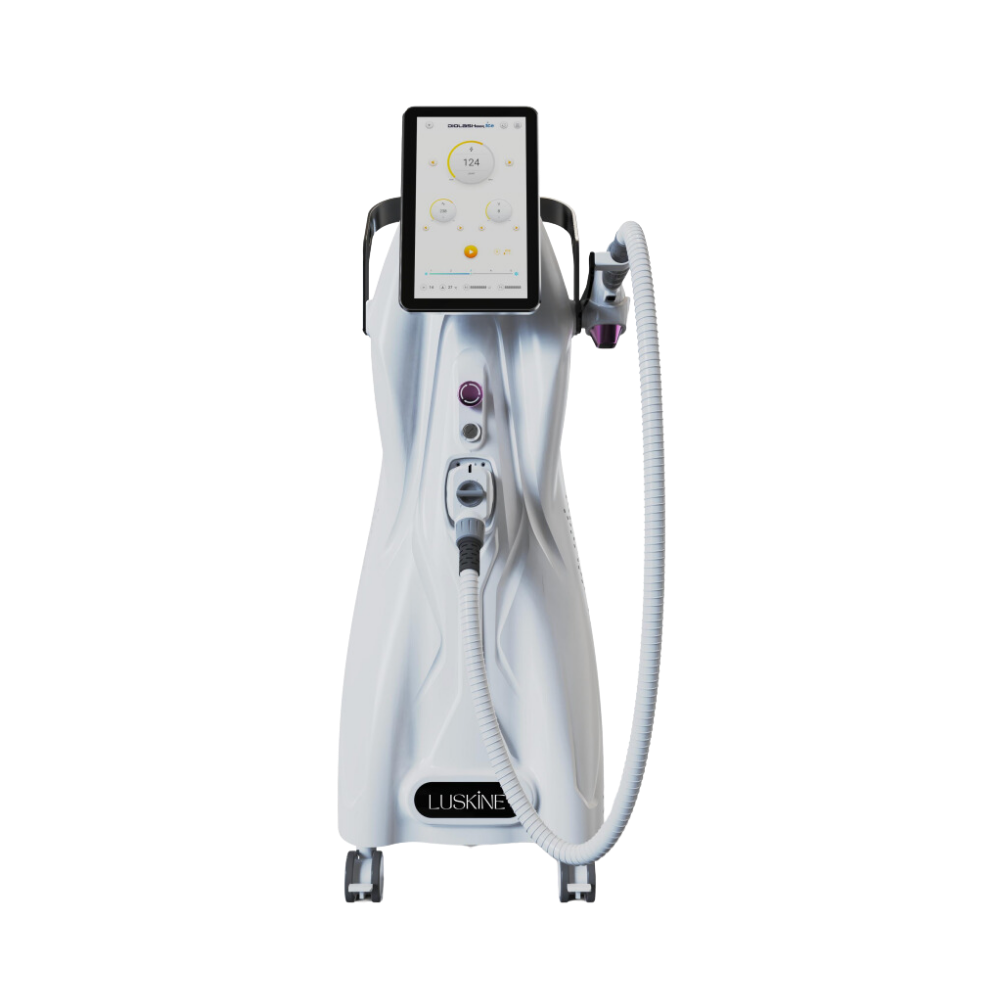
The Luskine diode laser, for example, is priced from 15,900€ (VAT included) and uses an 808nm wavelength — the industry-standard wavelength for hair follicle targeting across a wide range of skin types. At 6 sessions per day and a standard session price, a single device typically reaches payback within 2–3 months of operation, after which almost every euro of session revenue is margin.
Why the "6 sessions" number matters for your calendar, not just your invoice
Because hair growth happens in cycles (the anagen, catagen, and telogen phases), a single laser pass only catches the hair follicles that are active at that moment. That's why a course — not a single visit — is required for meaningful, lasting reduction. For your business, this means every new client who books session 1 is effectively pre-booking five or more future visits, spread over several months.
Multiply your session price by your average daily sessions and working days per month to get monthly revenue. Divide the device price by that monthly figure to get your payback period in months. Everything after payback is close to pure margin, since there's no per-session consumable cost.
Package selling smooths the maths
Selling a 6-session package upfront (at a small discount to the per-session rate) does two things: it improves client retention through the full course, and it gives you predictable revenue you can plan staffing and marketing spend around, rather than hoping each client rebooks manually after every visit.
What determines your actual numbers
Your real payback period depends on three variables you control: your session price, how many sessions you can realistically book per day, and how many working days per month your salon operates. A device sitting idle two days a week will obviously take longer to pay back than one running a full weekly schedule — so before committing to a price point, it's worth mapping your actual available appointment slots against realistic demand in your area.