Buying an aesthetic device is a capital decision, and like any capital decision, it deserves a proper model rather than a gut-feel estimate. This is the framework we recommend to salon owners evaluating a first (or additional) device purchase.
Step 1: build a conservative revenue estimate
Start with three inputs: your realistic session price, your realistic daily session count (not your best-case scenario), and your actual working days per month. Multiply these together to get monthly gross revenue from the device. Resist the temptation to use optimistic numbers here — a conservative estimate that turns out to be beatable is far better for planning than an optimistic one you fall short of.
Step 2: calculate payback period
Divide the device price by your monthly revenue estimate to get a payback period in months. Most well-utilised professional devices in this category pay back within two to four months when session volume is realistic and consistent.
Step 3: account for consumables and running costs
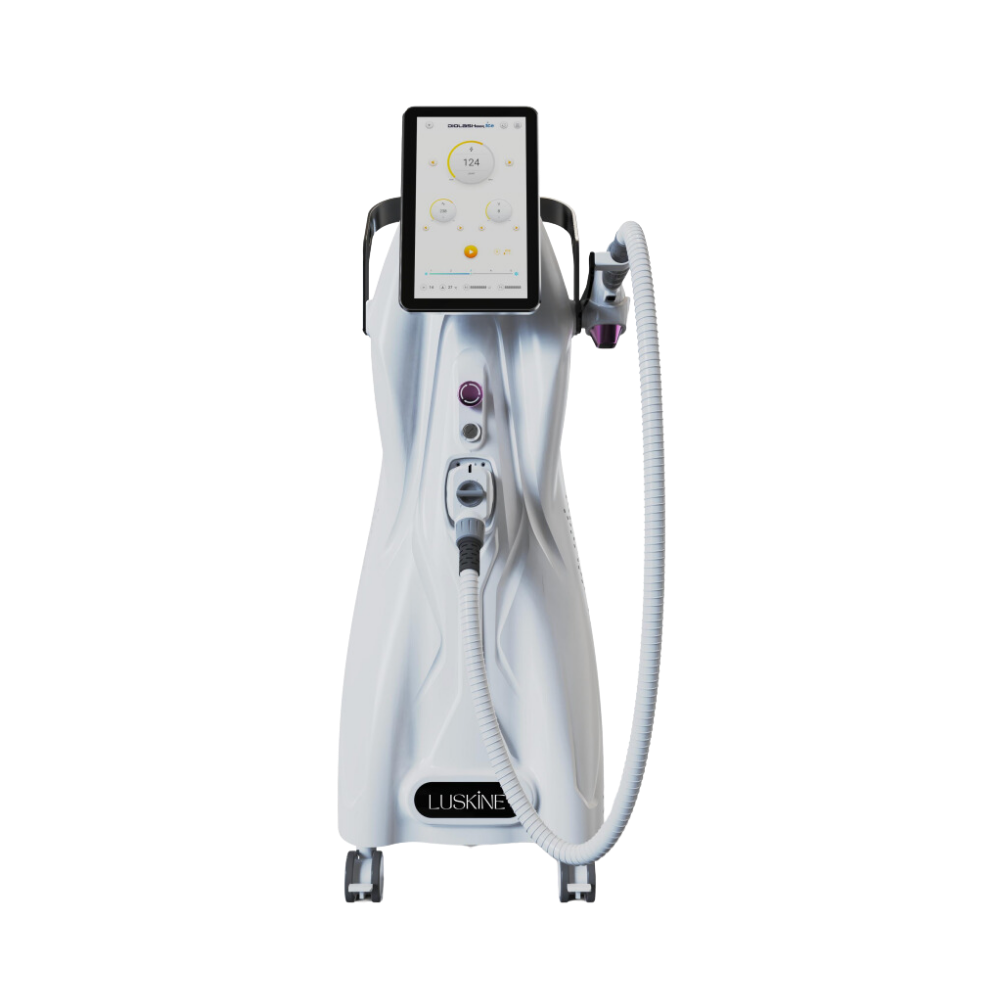
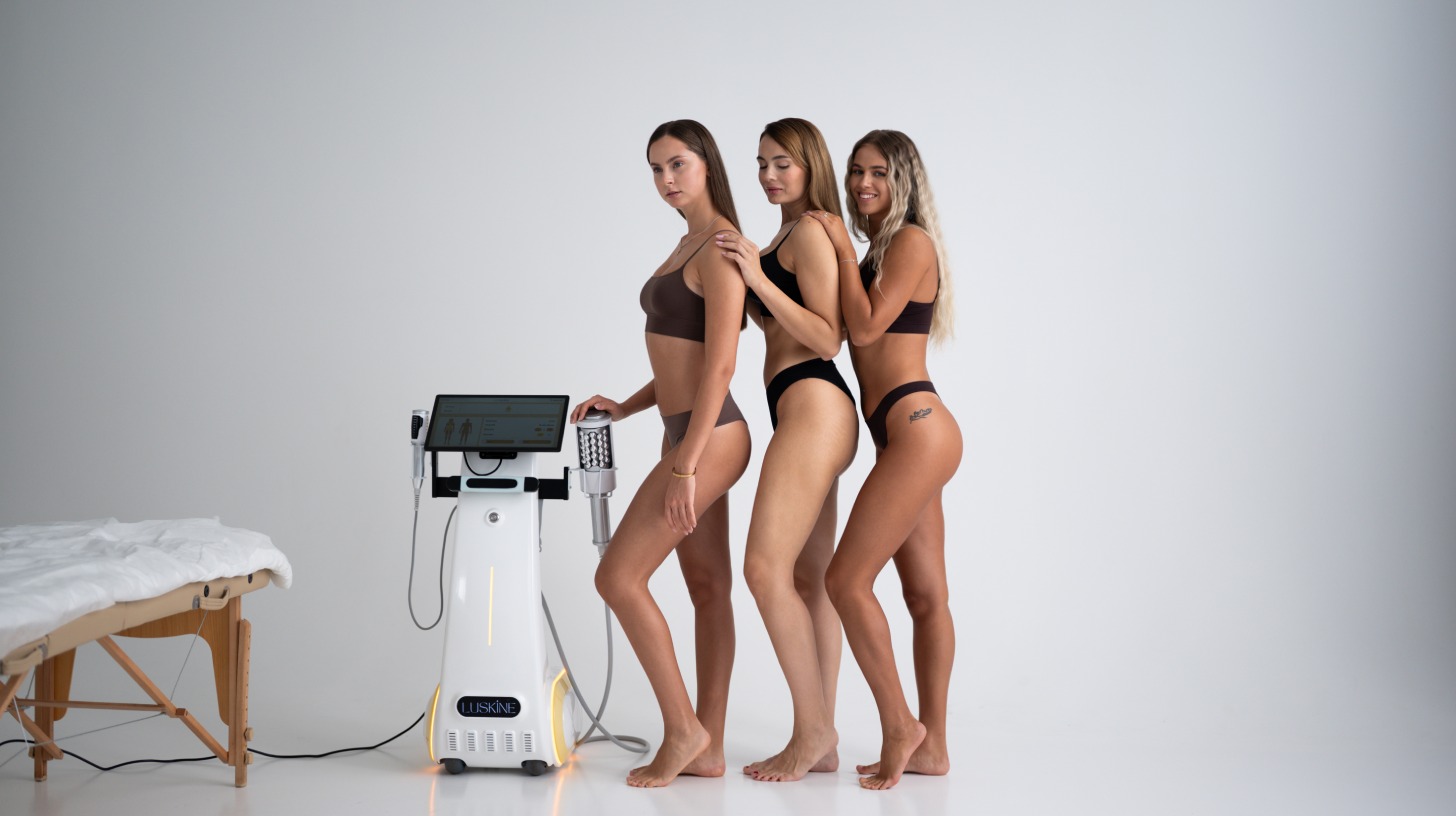
Devices vary considerably here. Mechanical devices like body contouring rollers have essentially zero per-session consumable cost. Laser devices are similar — no cartridges or replaceable tips required. This is a major advantage over consumable-heavy services like waxing or chemical treatments, where margin is eroded session by session.
Payback period tells you when you break even. Year-2 margin tells you what the device actually earns once it's paid for itself. For a zero-consumable device running at steady volume, year-2 revenue is close to pure profit minus staff time — which is the number that should really drive your purchase decision, not just how fast you recoup the initial cost.
Step 4: model the compounding effect of a second device
The maths changes meaningfully once you have client acquisition and brand awareness already working in your favour. A second device (whether it's a complementary treatment or the same category in a second treatment room) benefits from marketing spend, referrals, and reputation you've already built with the first — meaning it often reaches payback faster than the first device did.
Step 5: factor in financing
Leasing spreads the capital cost over the payback period itself, which can mean a device is cash-flow positive from month one rather than requiring a large upfront outlay. Whether outright purchase or leasing makes more sense depends on your salon's existing cash position and how quickly you want to move — but it's worth modelling both before deciding.
Putting it together
A useful profitability model isn't a single number — it's a small set of assumptions (price, volume, working days, financing) that you can adjust as your actual results come in. Build it before you buy, then revisit it every month for the first six months against your real numbers. That's what turns a purchase decision into an ongoing profitability tool for the rest of the device's life.