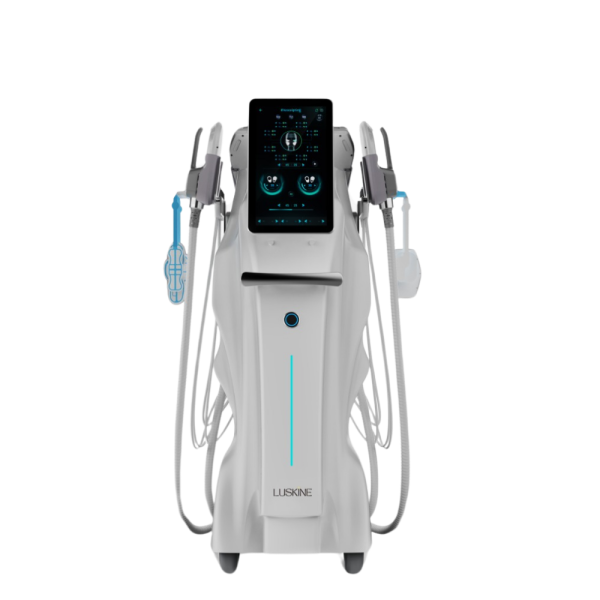
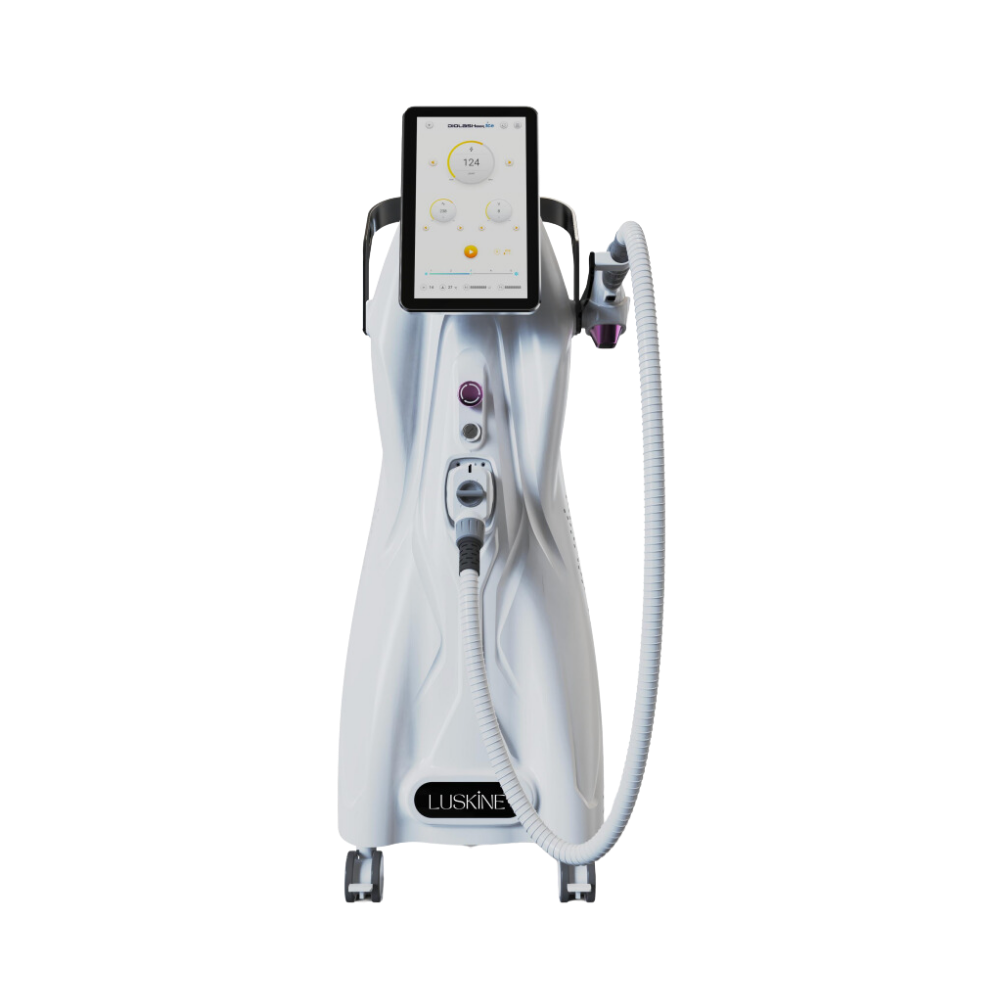
Clients frequently use "lymphatic drainage" and "fat removal" interchangeably when booking a body contouring session — and it's worth clarifying the difference before the treatment starts, because they're genuinely different physiological processes, and setting the right expectation up front avoids disappointment later.
What lymphatic drainage actually does
The lymphatic system is your body's fluid drainage network — it moves excess fluid, waste products, and toxins out of tissue and back into circulation. Manual or mechanical lymphatic drainage massage stimulates this system, which can reduce the appearance of puffiness and fluid retention, and support a smoother, more contoured look. It does not, on its own, reduce fat mass.
What mechanical lipolysis targets
Mechanical lipolysis refers to repeated mechanical pressure or vibration applied to fatty tissue, which is associated with breaking down fat cell clusters over a course of sessions. This is a slower, cumulative process — results build over weeks, not within a single session, as the body processes the effects of repeated mechanical stimulation.
Why one device can (and often does) do both
A rotating-sphere device like the Luskine Body Pro applies mechanical pressure and movement to the treatment area, which supports both effects in the same session: encouraging fluid movement through the lymphatic system while also applying the repeated mechanical stimulation associated with fat cell breakdown over a course of treatments. That's why body contouring protocols are typically described as addressing "contouring and drainage" together, rather than promising fat loss from a single mechanism.
"Drainage reduces puffiness and helps you look smoother right away. Contouring works on the fat tissue itself, and that takes a full course of sessions to show up clearly."
Why this distinction protects your reviews
A client expecting dramatic fat loss after one session — when what they actually experienced was primarily a drainage effect — is a client likely to leave feeling misled, even if nothing was technically promised. Being precise about which effect happens when sets an expectation that the actual results, delivered over the full protocol, can meet or exceed.
The takeaway for your consultation
Frame the first session as the start of drainage benefits (visible relatively quickly) building toward contouring benefits (visible over the following weeks). This two-stage framing is both accurate and genuinely more compelling — it gives the client something to notice immediately, and a reason to return for the sessions that follow.